

Which Blinds Are Best for Large Windows? Expert Guide
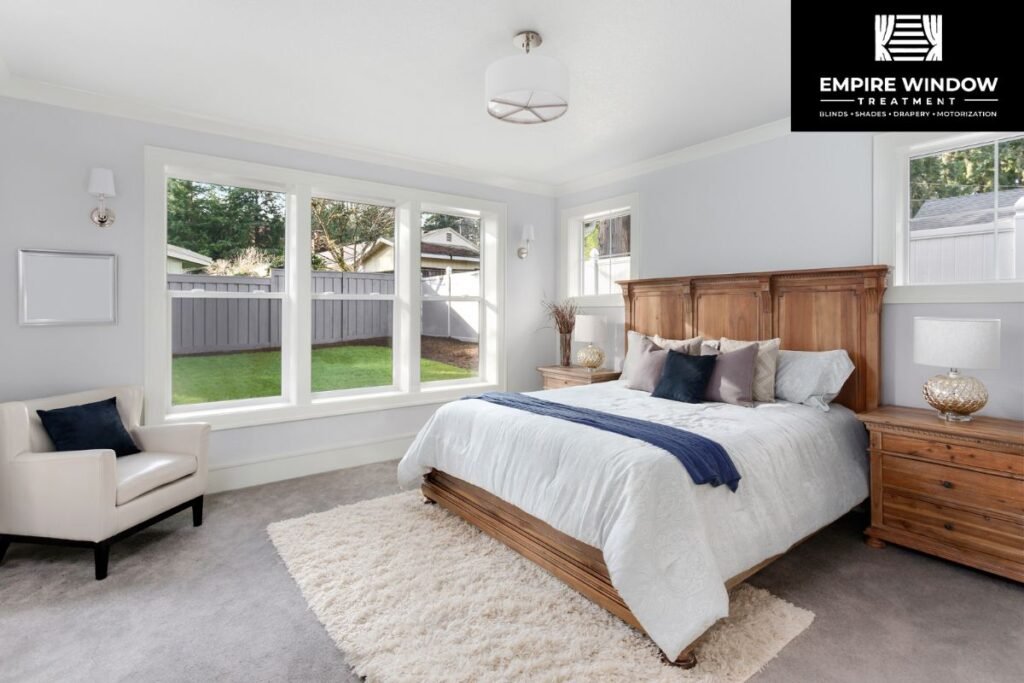
Key Takeaways Blinds offer better light control, privacy, and energy efficiency for large windows compared to drapes. Window size, orientation, and room function are crucial factors in selecting the right blinds. Top blind types include vertical, panel track, roller, cellular, and shutter blinds, each with unique benefits for wide or tall windows. Motorized, cordless, and layered options enhance usability, safety, and design flexibility for hard-to-reach or oversized windows. Large windows are architectural features that can flood rooms with natural light and create an open atmosphere. However, these windows also present unique challenges for window treatments, including managing sunlight, ensuring privacy, and controlling indoor temperature. Choosing the right blinds is important for balancing these elements and enhancing a room’s overall appeal and comfort. Blinds provide precise control over the amount of natural light entering a space and can be adjusted to maintain privacy while still allowing some light in. They are often more cost-effective for large windows compared to custom drapes and are typically easier to maintain. Additionally, blinds can improve temperature control by reducing heat gain in summer and heat loss in winter, making them an energy-efficient choice for your home. Thoughtful selection ensures that window coverings for large windows are durable, easy to operate, and visually appealing, complementing the space rather than working against it. Key Factors to Consider When Selecting Blinds for Large Windows Several important factors should be considered when choosing blinds for large windows to ensure optimal fit, performance, and style. Window Dimensions and Orientation: The specific width, height, and overall dimensions of large windows are paramount, as not all window treatments can handle every size. For example, some blinds are designed specifically for wide windows, while others work better for tall or narrow ones. Light Control and Privacy Needs: The desired amount of light control and privacy is crucial; some rooms, like home theaters or bedrooms, might require room-darkening options, while living areas might benefit from light-filtering materials that allow for privacy while letting light diffuse. Blinds allow for adjustable light control, enabling users to manage glare and the intensity of sunlight. Energy Efficiency and Insulation: Large windows can lead to significant heat gain or loss, impacting a home’s energy consumption. Cellular or honeycomb blinds are excellent choices for improved insulation due to their design that traps air, helping to regulate indoor temperatures year-round. Ease of Use and Operation: Given the size and potential weight of blinds for large windows, the operating mechanism is highly important. Motorized options offer convenience and safety, especially for hard-to-reach or expansive windows, allowing adjustments with a remote, smartphone app, or even smart home systems. Cordless systems also provide a cleaner look and enhanced safety, particularly in homes with children or pets. Material Selection and Durability: The weight and durability of the materials used are critical for larger blinds, as they require robust mounting hardware and high-quality construction to ensure longevity and prevent sagging. Materials like wood, faux wood, aluminum, vinyl, and various fabrics offer different aesthetic and functional benefits, such as moisture resistance for high-humidity areas or a classic look for traditional spaces. The material should also align with the room’s purpose; for instance, wood and some luxury fabrics may not be suitable for high-moisture areas like kitchens. Style and Design Compatibility: The choice of blinds should complement the room’s existing decor and architectural features. Different types of blinds offer distinct aesthetic appeals, from the sleek, modern look of panel track blinds to the timeless elegance of Roman or wooden blinds. Best Types of Blinds for Large Windows Various types of blinds are particularly well-suited for large windows, each offering distinct features and benefits to meet diverse needs and styles. Vertical Blinds A classic choice for large windows, especially those with significant width or that are floor-to-ceiling, like patio or sliding glass doors. Their vertical slats can be easily tilted to control light and privacy and can be drawn neatly to the side to provide an unobstructed view. Vertical blinds are available in a wide array of materials and colors, offering versatility for different décor styles. They can span impressive widths, often up to 188 inches. Panel Track Blinds These blinds offer a modern, sleek alternative to traditional vertical blinds, featuring wide fabric panels that glide smoothly along a track. They are ideal for covering wide windows, sliding patio doors, or even serving as room dividers, providing a clean, contemporary aesthetic. Panel track blinds can achieve maximum coverage, with some systems spanning up to 332 inches wide with spliced headrails. Roller and Solar Shades Known for their minimalist design, roller shades are simple fabric panels that roll up and down, offering a clean and unobtrusive appearance that suits contemporary interiors. They are effective for controlling sunlight and glare, with solar shades specifically filtering harmful UV rays while preserving outward views. High-quality roller shades can cover windows up to 144 inches wide. They are available in various materials, including light-filtering and blackout options, and are easy to clean. Cellular (Honeycomb) Shades These shades are highly valued for their energy efficiency due to their unique honeycomb design, which traps air in distinct pockets, providing excellent insulation against heat and cold. They are suitable for tall windows and can help reduce energy costs. Cellular shades offer flexibility in light control, from light-filtering to blackout options, and can span significant widths, up to 192 inches. They can also be found with top-down/bottom-up features for flexible privacy and light management. Shutter Blinds (Plantation Shutters) Shutter blinds provide a timeless and elegant look, offering precise light control and thermal protection. Their sturdy construction ensures durability, and they can be made from real wood or moisture-resistant faux wood, making them suitable for various rooms, including bathrooms. They feature adjustable louvers that allow for fine-tuning of light and privacy. Some shutters can accommodate very wide windows, with maximum widths up to 295 inches. Wood and Faux Wood Blinds These blinds offer a natural and warm touch to any room, with real wood providing subtle textures and
Which Blinds Are Best For Insulation?
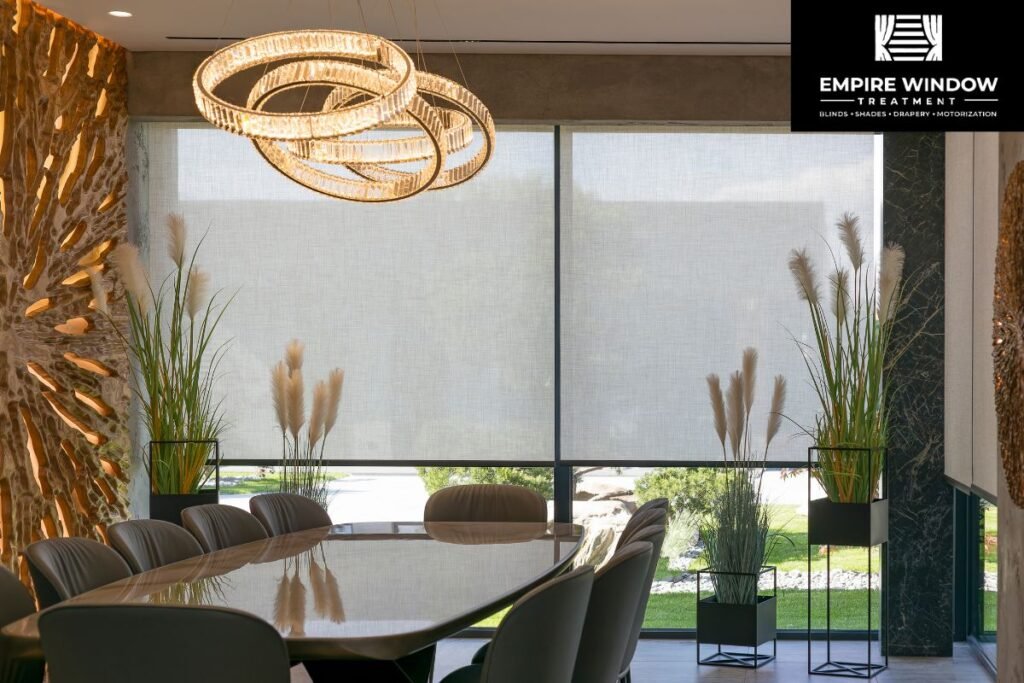
Key Takeaways: Thicker materials insulate better – Look for dense or multi-layered fabrics like thermal roller blinds to block heat and cold More cells mean more insulation – Double or triple-cell honeycomb shades trap more air, offering better temperature control. Proper fit is essential – A tight fit, especially with outside mounts, helps block drafts and keeps your home more comfortable. Add side tracks for extra sealing – Side tracks and light gap blockers reduce air leaks around the edges for better insulation. Keeping your home warm in winter and cool in summer can be tough and expensive. But did you know that your windows can make a big difference? That’s where insulation comes in. Insulation helps stop heat from escaping or getting in. And one simple way to add insulation to your windows is by using blinds. Blinds don’t just look nice. They also help keep your home comfortable all year long. They block out cold drafts in the winter and stop too much heat from coming in during the summer. If you’ve ever wondered which blinds are best for insulation, this guide will help you find the perfect fit. How Blinds Help with Insulation Blinds do more than just block sunlight or add style—they also help keep your home comfortable. When closed, blinds trap a layer of air between your window and the room. This air works like a blanket, keeping warm air in during winter and blocking heat in summer. Some blinds also stop cold drafts from coming through small cracks around your windows, which helps keep the room warm. In hot weather, blinds can block sunlight so your home doesn’t heat up as much, which helps your AC work less. So, the right blinds can help save energy and make your home more cozy all year long. Top Types of Blinds for Insulation When it comes to keeping your home comfortable and energy-efficient, not all blinds are created equal. Some are specially designed to hold in heat during winter and keep it out during summer. Here are the top types of blinds that offer great insulation, each with its own style and benefits. Cellular (Honeycomb) Shades If you want the best insulation, cellular shades, also called honeycomb shades, are a top choice. These blinds have a unique shape that looks like a honeycomb when viewed from the side. The little pockets inside trap air, which creates a powerful barrier between your window and the room. You can choose from single, double, or even triple-cell designs depending on how much insulation you want. They work well in both warm and cold seasons and come in many colors and light-filtering options. Dual Roller Blinds Dual roller blinds give you the best of both worlds. They have two layers, usually a sheer blind and a blackout blind, built into one frame. You can switch between them based on how much light or privacy you want. But beyond looks, these layers also form a small air gap, which helps with insulation. If you’re looking for a modern, flexible window treatment that also helps with energy savings, this is a smart pick. Thermal or Insulated Roller Blinds These roller blinds are made with thick, tightly woven fabric that’s designed to block heat and cold. Many also come with a special backing, like a blackout lining, that adds even more warmth in winter. The design is sleek and simple, making it easy to match with any room style. They’re a good fit for people who want a clean look with strong insulating power. Roman Shades with Thermal Lining Roman shades are known for their soft, folding fabric style, but when you add a thermal lining, they do more than just decorate. The fabric traps layers of air as it folds, helping keep the room warmer or cooler. These shades are great if you want to mix function and fashion. They come in lots of colors and patterns, so you don’t have to give up style for comfort. Wood and Faux Wood Blinds Wood and faux wood blinds offer a natural, sturdy option for insulation. Their solid slats provide some protection against heat and cold, but they aren’t the most airtight. Because of small gaps between the slats, they work best when combined with another layer, like curtains or a shade. Still, they’re a nice choice if you like the warm look of wood and want a bit of extra insulation. Draperies and Curtains with Thermal Backing These may not be blinds in the traditional sense, but they’re a strong addition to your insulation plan. Drapes made with heavy fabric and thermal backing create a thick barrier over your windows. They’re especially helpful when paired with other blinds or shades. Plus, they come in tons of styles, so you can match them to any room while staying cozy and energy-efficient. Each of these options has its own strengths. Whether you care most about looks, budget, or insulation power, there’s a window treatment that fits your needs. In the next section, we’ll look at which features make blinds even better at blocking out heat and cold. Key Features That Boost Insulation Choosing the right type of blind is important, but what really makes a difference are the features that help lock in warmth or block out heat. If you’re shopping for blinds that keep your home comfortable year-round, here are the key features to pay attention to. Material Matters Not all blind materials work the same. Thicker or layered fabrics do a better job of blocking heat and cold. For example, thermal roller blinds often use tightly woven fabric with special coatings that help stop temperature changes. When comparing, choose blinds that feel thick or have extra layers to trap air. Cell Count in Honeycomb Shades If you’re looking at cellular (honeycomb) shades, check how many “cells” they have. Single-cell shades offer some insulation, but double or triple-cell designs give more. More cells mean more air pockets, which give better protection from
Which Blinds Are Best for Blackout? Expert Buying Guide
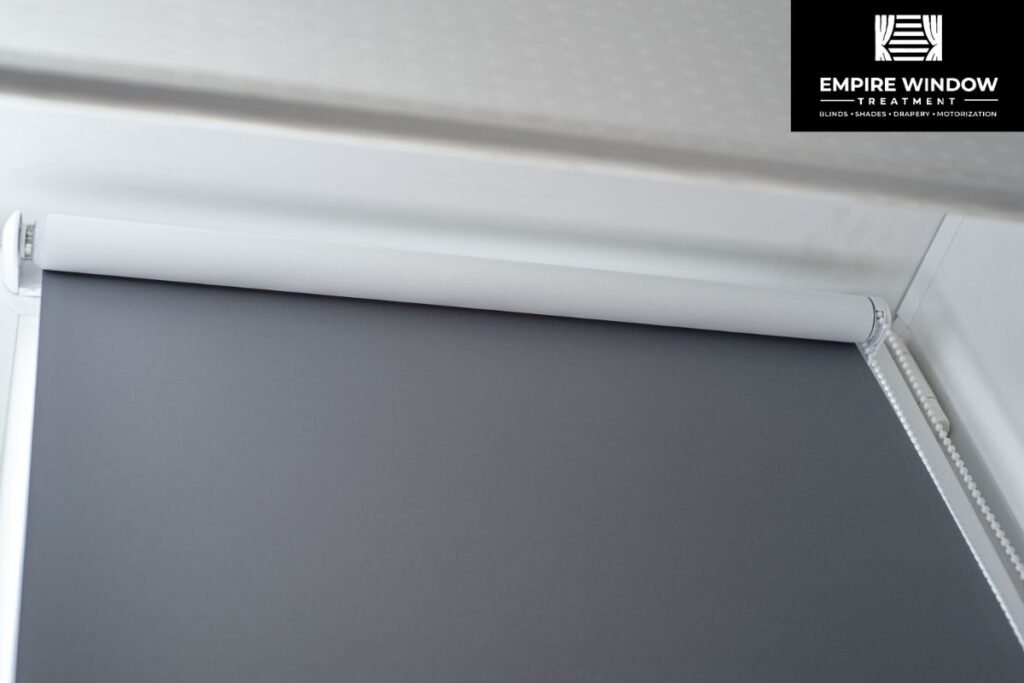
Key Takeaways Blackout blinds block nearly all light, ideal for better sleep, privacy, and energy savings. Top types include cellular, roller, Roman, paper shades, and track-fitted blinds for full darkness. Fit and material are critical—look for thick, opaque fabrics and tight window coverage to stop light leaks. For total blackout, use side tracks, outside mounts, or layer with blackout curtains. What Are Blackout Blinds? Blackout blinds are special window coverings that are designed to block out nearly all light from coming into a room. Think of them like a superhero shield for your windows! They are made from thick materials that light can’t easily pass through, and they are often designed to fit very snugly against your window frames to stop light from sneaking in around the edges. People use blackout blinds for many reasons. Sometimes, they want to make a bedroom super dark for sleeping, especially during the day. Other times, they use them in a TV room to get rid of glare on the screen, making movie nights much better. They’re also great for privacy, so no one can see into your home, and they can even help keep your room cooler in the summer and warmer in the winter, saving you energy. Main Types of Blackout Blinds When you’re looking for blackout blinds, you’ll find a few main types, each with its own special features. Cellular (Honeycomb) Blinds These blinds have a unique design that looks like honeycombs when you look at them from the side. This shape traps air, which helps block light and also acts like insulation, keeping your room warmer in winter and cooler in summer. They’re a top choice for bedrooms and nurseries because they are so effective at blocking light and also help with temperature control. Roller Shades These are one of the most popular types. They are made from a single piece of thick fabric that rolls up neatly into a tube at the top of your window. When you pull them down, the thick material does a great job of blocking light. Roller shades are simple to use and come in many colors and patterns, making them good for almost any room in your house. Roman Blinds Roman blinds are made from fabric that folds up in soft, elegant pleats when you raise them. To make them blackout, they have a special blackout lining sewn onto the back. This lining stops light, while the front fabric adds a stylish look to your room. They are often chosen for living rooms or bedrooms where you want a mix of light control and decorative style. Blackout Blinds with Tracks (Side Channels) These are the champions of total darkness! These blinds have special channels or “tracks” that run down the sides of your window frame. The blind fabric fits into these tracks, which stops any light from leaking in around the edges. If you need a room to be as dark as possible, like a home theater or a baby’s nursery where even a tiny bit of light is a problem, these blinds are the best option. Temporary Paper Shades If you need a quick and easy solution, temporary paper shades are a great choice. They are usually made from thick paper or a similar material, and they often have an adhesive strip so you can stick them directly onto your window frame. They are affordable and easy to put up, making them perfect for dorm rooms, rental apartments, or even when you’re traveling and need a dark room. They’re also good if you’re waiting for your permanent blinds to arrive. What to Look For When Choosing Blackout Blinds To make sure you pick the best blackout blinds, here are a few important things to keep in mind. First, always look for blinds made from thick, opaque materials. “Opaque” means that light cannot pass through it at all. The thicker and denser the fabric or material, the better it will be at blocking light. Hold a sample up to a light source to test it if you can. Second, the fit of the blinds is super important. Even the thickest material won’t work perfectly if there are gaps around the edges where light can sneak in. Make sure you measure your windows very carefully so your blinds fit snugly inside or completely cover your window frame. Some blinds even come with side channels or tracks that help seal out light at the edges. Third, consider cordless or motorized options for safety. If you have kids or pets, cordless blinds are a safer choice because there are no hanging cords that could be a hazard. Motorized blinds are super convenient because you can open and close them with a remote control or even an app on your phone. Finally, think about how the blinds will match the size and style of your room. You want them to look good and fit well. Also, consider how easy they will be to clean and maintain. Some materials are simple to wipe down, while others might need more careful cleaning. Blackout Blinds vs. Blackout Curtains: Which is Better? Both blackout blinds and blackout curtains are great for blocking light, but they have some differences. Feature Blackout Blinds Blackout Curtains Light Blocking Excellent, especially with a good fit and side tracks Excellent, if they are very thick and wide enough Space Saver Yes, they fit neatly inside or close to the window No, they take up more room and can look bulky Easy to Adjust Yes, usually simple to raise or lower Sometimes harder, you often have to open or close them fully Insulation Good (cellular blinds are best for this) Great (heavy fabrics provide good insulation) Cleaning Easier, often just dusting or spot cleaning Sometimes harder, might need machine washing or dry cleaning Blackout blinds often provide a more complete seal against light, especially if they have side tracks. They also take up less space and can look very neat and modern. Blackout curtains, on the
Which Window Treatment Is Best?
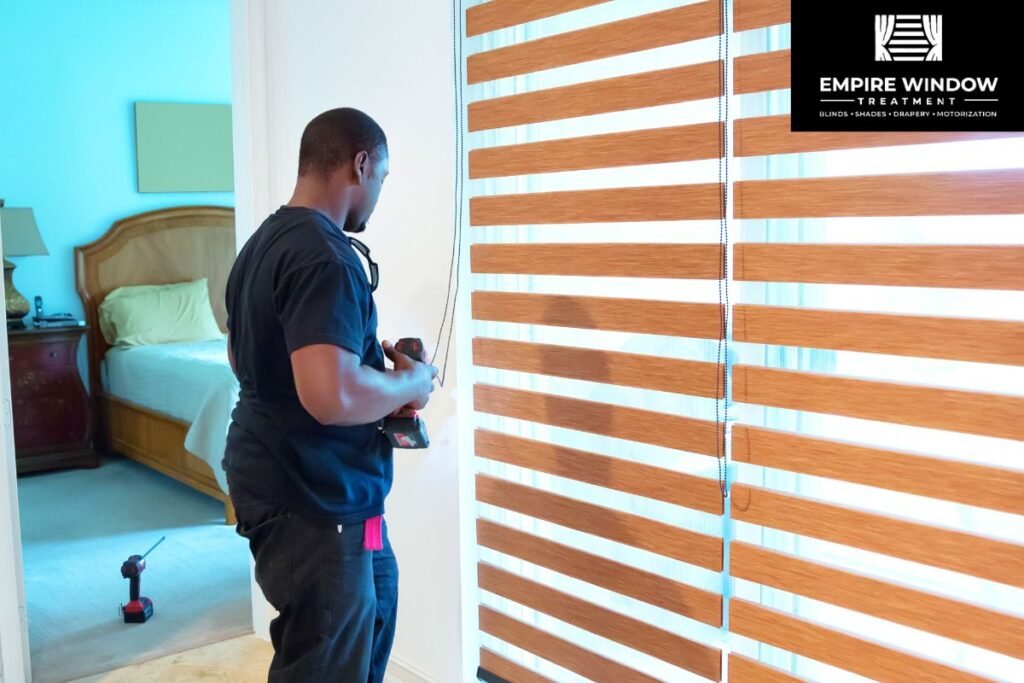
Key Takeaways: The best window treatment depends on privacy, light control, energy efficiency, and room function. Blinds, shades, shutters, and curtains each offer unique benefits for different spaces. Bedrooms need blackout options; kitchens and bathrooms require moisture-resistant materials. Cordless and motorized treatments are safer for homes with kids or pets. Selecting the best window treatment does more than improve how your home looks—it enhances your comfort, increases privacy, helps manage natural light, and can even reduce your energy usage. Whether you want to block harsh sunlight, maintain privacy, or style your room to perfection, your choice of window treatment plays a big role. This guide will walk you through everything you need to know to make a smart decision when it comes to choosing the best window treatment for your home. What Are Window Treatments? Window treatments are coverings added to windows for both functional and decorative purposes. They help regulate how much light enters a room, provide privacy, and offer insulation. Beyond function, they also contribute to your interior design style, whether that’s classic, modern, rustic, or minimalistic. Some of the most common types of window treatments include blinds, shades, shutters, drapes, curtains, window films, and smart glass. Each type serves a different purpose and suits different spaces, so understanding them helps you make a more informed choice. Factors to Consider When Choosing the Best Window Treatment When selecting a window treatment, you’ll want to evaluate what matters most for each room. Here’s what to keep in mind: Privacy Needs Do you need complete privacy, like in bedrooms and bathrooms, or partial coverage, such as in living rooms and kitchens? Light Control Some rooms need total darkness, especially bedrooms or media rooms. Others benefit from filtered sunlight—think of bright, welcoming living spaces. Style and Home Décor Your choice should complement your existing interior design. Consider colors, materials, textures, and whether the look is formal, cozy, modern, or minimal. Budget Window treatments can range from simple, affordable vinyl blinds to premium custom drapery and plantation shutters. Choose options that fit your budget while still meeting your functional needs. Room Function Each room has different needs. Kitchens require moisture-resistant materials, bedrooms often need blackout solutions, and living areas may benefit from adjustable light and style. Energy Efficiency Some window treatments—like honeycomb shades—offer insulation and can lower heating and cooling costs by reducing drafts or blocking heat. Maintenance and Cleaning Blinds and shutters are typically easier to clean than fabric treatments. Consider how much time and effort you’re willing to spend on upkeep. Safety For homes with children or pets, cordless or motorized options are safer and help prevent accidents. The Main Types of Window Treatments Explained Blinds Blinds are made from horizontal or vertical slats, often in materials like wood, faux wood, vinyl, or aluminum. They provide great control over light and privacy and are durable, making them a good choice for high-traffic areas. Popular variations include Venetian blinds, vertical blinds, mini blinds, and motorized options. Best for: Bedrooms, home offices, and areas where daily adjustments are needed. Shades Shades are made of fabric or woven materials that roll, fold, or stack neatly when raised. They offer a softer look compared to blinds and are available in a wide variety of textures and patterns. You can choose from blackout, light-filtering, or energy-saving options depending on your needs. Types include cellular (honeycomb) shades, Roman shades, roller shades, solar shades, and bamboo or woven wood shades. Best for: Bedrooms, living rooms, and media rooms where both style and light control are important. Shutters These are fixed or adjustable window panels with slats, made of real wood or composite materials. Shutters are known for their elegant, timeless appeal and strong insulation qualities. They offer exceptional privacy and durability, which can also add value to your home. Best for: Kitchens, bathrooms, or any room where long-term durability and classic design are valued. Curtains and Drapes Curtains are typically lighter, while drapes are thicker and often lined. These fabric panels hang from rods and can be layered for both function and design impact. With almost endless choices in fabric, pattern, and color, they add softness and elegance to any space. Best for: Living rooms, dining areas, and bedrooms. Layered styles allow you to control light and privacy throughout the day. Window Films and Smart Glass Window films stick to the glass and offer privacy and UV protection without blocking your view. Smart glass can change from clear to frosted with a switch or voice command. These options are sleek and modern, making them ideal for contemporary spaces. Best for: Offices, bathrooms, or minimalist interiors where simplicity and innovation matter. Quick Comparison Table Type Light Control Privacy Insulation Ease of Cleaning Style Versatility Best Rooms Blinds Excellent Good Low Easy Modern, Traditional Bedrooms, Offices Shades Good–Excellent Good High (cellular) Usually Easy Wide Fabric Variety Bedrooms, Living Rooms Shutters Good Excellent High Easy Classic, Formal, Cottage Kitchens, Bathrooms Curtains/Drapes Varies (layered) Excellent Medium–High Varies Infinite Design Options Living, Dining Rooms Window Film Daytime Only Daytime Low Very Easy Minimal, Modern Offices, Bathrooms Matching Window Treatments to Specific Rooms Bedrooms For restful sleep, choose blackout roller shades, cellular shades, or lined drapes. These block light and offer the privacy you need for relaxation. Living Rooms Go for layered options like sheers with drapes or custom blinds. These let you filter light while maintaining a cozy, stylish vibe. Kitchens Here, easy maintenance and moisture resistance are key. Faux wood blinds, vinyl shutters, or even café curtains offer a blend of practicality and charm. Bathrooms You’ll want something that resists humidity while offering full privacy. Composite shutters, vinyl blinds, or waterproof shades work well. Media Rooms/Offices Blackout shades reduce glare for screens, while dual-layer blinds or adjustable roller shades provide flexibility for changing needs throughout the day. Popular Features and Upgrades Today’s window treatments come with innovative features designed to enhance comfort and convenience: Cordless and Motorized Controls: These improve safety for homes with children or pets and make
Do Window Treatments Increase Home Value?
Key Takeaways: Yes, window treatments can increase home value by improving aesthetics, comfort, and functionality—especially when preparing to sell. Buyers value well-chosen treatments like plantation shutters and energy-efficient shades, which are often seen as upgrades. Energy-saving options and smart features (like motorized blinds) can attract modern buyers looking for convenience and lower bills. Outdated or poor-quality treatments can hurt value, so it’s smart to replace them with clean, neutral, and durable options before listing. Window treatments are things like blinds, curtains, shades, or shutters that cover your windows. Many people wonder if adding or changing these window treatments can make their house worth more money. When you want to sell your home, having nice window treatments can help your house look better and attract more buyers. This guide will explain how window treatments affect home value and which ones work best. What Are Window Treatments? Window treatments cover your windows and help control sunlight, privacy, and how your room looks. Some common types include: Blinds: Thin slats of wood, metal, or plastic you can tilt or pull up. Shutters: Solid panels often made of wood that swing open or close. Shades: Made of fabric, they roll or fold up to block light. Curtains or Drapes: Pieces of fabric that hang down to cover your window. Each type has a different style and function. Choosing the right one depends on your needs for privacy, light, and decoration. How Window Treatments Might Increase Home Value Good window treatments can make your home look nicer, save energy, and feel more comfortable. Here are a few ways they can help increase a home’s value: Boost Curb Appeal: Attractive window treatments make your home look well cared for from the outside. Improve Interior Style: Stylish window coverings can make rooms look modern and cozy. Energy Efficiency: Some window treatments keep your house cooler in summer and warmer in winter, which lowers bills. Privacy and Security: They help protect your privacy and keep your home secure. Light Control: Being able to adjust light makes your home more comfortable. When a house looks neat, energy-smart, and comfortable, buyers are willing to pay more. Best Window Treatments for Increasing Value Some window treatments add more value than others. Here are the best options: Plantation Shutters: These wooden shutters look classic and last a long time. Buyers often see them as a permanent upgrade. Cellular (Honeycomb) Shades: These shades have a special design that traps air to keep your home insulated and save energy. Custom Blinds and Drapes: Made to fit your windows perfectly, they add a touch of style and luxury. Motorized Window Treatments: These can be controlled with a remote or app, adding high-tech appeal. Wood or Faux Wood Blinds: They bring warmth and style while being durable and easy to clean. Choosing these styles can make your home more attractive and raise its value. Tips for Choosing Window Treatments for Maximum Value To get the most value from your window treatments, follow these tips: Pick neutral colors and simple designs that appeal to many people. Use high-quality materials that are built to last. Ensure they fit your windows properly and are installed well. Choose energy-efficient options to save on heating and cooling bills. Good-looking, working window treatments make your home feel ready to live in, which buyers love. What to Avoid When Picking Window Treatments Some window treatments might hurt your home’s value instead of helping. Avoid: Old, faded, or broken window coverings. Cheap materials that look or feel low quality. Very bright or unusual colors and patterns that most buyers won’t like. Poorly fitted or crooked treatments that make rooms look messy. Keeping it simple and clean is usually the best choice. Should You Replace Window Treatments Before Selling? If your current window treatments look worn-out, replacing them can be a smart move. New or updated treatments can: Make rooms look brighter and bigger. Help your house show better in pictures and tours. Make buyers feel your home is well cared for and move-in ready. While window treatments alone might not raise your home’s official appraised value a lot, they do help attract buyers and can help you sell faster and for a better price. FAQs About Window Treatments and Home Value Do window treatments always increase home value? Not always, but good-quality, stylish, and energy-saving treatments usually help. Which types are best for value? Plantation shutters, cellular shades, and custom blinds are top choices. Is professional installation needed? Yes, proper installation makes sure treatments work well and look great. Can I do it myself? Some window treatments can be DIY, but if you want a polished look, professional help is best. Are energy-efficient treatments worth the cost? Yes, they save money on bills and appeal to buyers who want lower costs. Conclusion Good window treatments make your home look fresh, stylish, and comfortable. They attract more buyers and can help your home sell faster and for a better price. To get the best value, choose quality, neutral designs that save energy and fit your windows well. Even if they don’t add a large dollar amount to your appraised value, they increase how much buyers want your home. So yes, window treatments can be a smart investment when you want to increase your home’s value.
Should Drapes Touch the Floor? A Simple Guide for Your Home
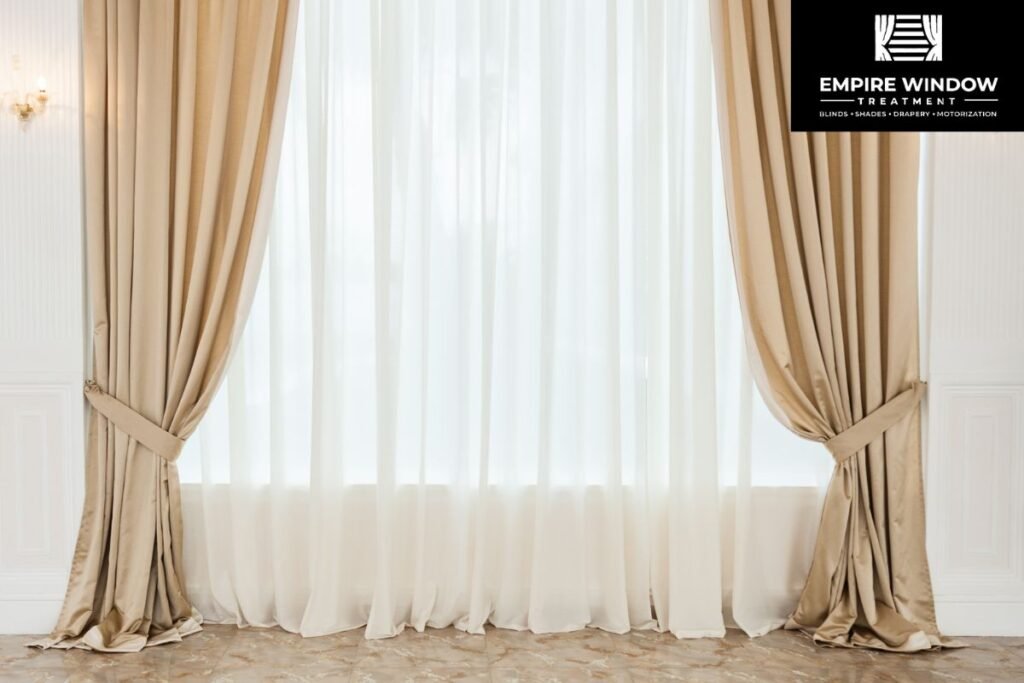
Key Takeaways Drape length impacts both style and function—too short looks awkward, too long can be messy or unsafe. Floor-touching drapes offer elegance and better insulation, but require more cleaning and care. Choose the right style for the space—floating for busy areas, kissing for elegance, puddling for formal rooms, and shorter drapes for kitchens/baths. Proper measuring and high rod placement help drapes look polished and make rooms feel taller and more spacious. Drapes are long pieces of heavy fabric that hang over windows to make rooms look beautiful, block out light, help save energy, and give you privacy when you need it. When setting up your home, you might wonder if drapes should touch the floor or not. People care about this because the length of your drapes can change how your entire room looks and feels. It’s not only about style—it’s also about cleaning, safety, and how easy it is to use your drapes every day. Why Does Drape Length Matter? The way you hang your drapes changes the look of your room right away. If your drapes are too short, your room might seem unfinished, kind of like wearing pants that are way too high above your ankles. But if they’re too long and pile up on the floor, they can look messy or out of place and might even get in the way. On the other hand, drapes that are the right length make your room feel bigger, cozier, and more stylish. They can even help control light, add privacy, and keep your space warmer or cooler. Pros of Drapes Touching the Floor Makes a Room Look Elegant When drapes touch the floor, your room instantly looks more put-together and grand. This style adds height to your walls and makes your ceilings feel higher, making even small rooms look impressive. Hides Outlets and Cords Long drapes cover up things like power outlets or messy cords near the bottom of your floor, keeping your room looking neat. Better Insulation & Light Blocking Drapes that touch the floor make it harder for cold air to sneak in during winter and keep cool air inside during summer, saving you money on energy bills. When closed, they also block out more sunlight, making bedrooms and living rooms very cozy and private. Cons of Drapes Touching the Floor Collecting Dust and Pet Hair Drapes that touch the floor can easily pick up dust, dirt, and pet fur because they are right on top of the ground. They need to be cleaned much more often than shorter ones. A Tripping Hazard Extra fabric on the floor isn’t safe in homes with kids, pets, or older adults, as someone could trip and fall if not careful. Difficult to Use and Maintain If drapes are too long, they might be hard to open and close, especially if they drag on the floor or get caught on something. They can also wrinkle more easily or get worn out faster from rubbing against the ground. Types of Drape Styles and Where They End Style Name Where They End Look Best For Floating/Hovering ½–1 inch above the floor Modern, tidy Busy rooms and easy cleaning Breaking/Kissing Just touches the floor Tailored, elegant Bedrooms, living rooms Puddling 2–6+ inches on the floor Dramatic, fancy Formal, low-traffic spaces Apron/Window Length Below sill, above floor Practical, simple Kitchens, baths, window seats Detailed Descriptions Floating/Hovering These drapes stop just above the floor not touching it. This look is great for high-traffic rooms and for people who have pets or kids and want easy cleaning. Breaking/Kissing This style means the fabric barely touches the floor like a gentle touch. It looks professional and fits most formal rooms. Puddling If you want a dramatic, luxury vibe, puddling is the way to go here, the fabric pools onto the floor, sometimes by several inches. While it’s elegant, it can collect even more dust and be a tripping risk, so it’s best in rooms where you don’t walk around a lot. Apron/Window Length These are short drapes that hang below the window sill but above the floor. They’re best for kitchens, bathrooms, or windows with radiators or furniture underneath. How Do You Choose the Best Drape Length? Room Type: For living rooms and bedrooms, pick drapes that just touch the floor or float slightly above it for a stylish, inviting look. Kitchens and bathrooms need shorter drapes for safer, easier cleaning. Drape Fabric: Thick, heavy fabrics (like velvet) look good puddled or just kissing the floor. Lighter fabrics (like linen) hang well if they float or barely touch the floor. Floor & Room Size: For high ceilings, longer drapes add balance, making rooms feel taller. In small rooms, consider floating drapes for a neat, open feel. Pets or Kids: If you have pets and kids, avoid puddles or breaking styles to reduce cleaning and accidents. Floating drapes are safest and easiest to maintain. Your Personal Taste: Choose what you like! Want modern, easy cleaning? Pick floating drapes. Prefer drama? Try a puddle, but only if you’re okay with extra cleaning. How Do You Measure and Hang Drapes Correctly? Picking the Style: Decide which finish you want floating, kissing, or puddling. Remember, each style needs slightly different measurements. Measuring Height: Measure from where you’ll hang the rod to the floor. Subtract about half an inch for floating. Add or subtract as needed for kissing or puddling. Making Windows Look Taller: Hang the rod 4 to 6 inches above the window or as close to the ceiling as you can. This makes your window and room feel taller. Measuring for Width: To make sure drapes cover the window and look full, use drape panels that are 2 to 3 times wider than your window. Handling Uneven Floors: If your floor isn’t flat, adjust the length of each panel slightly or pick a breaking or puddled style—the extra fabric can hide small differences. Mounting the Rod: Attach the rod to wall studs if you can, or use wall
Troubleshooting Common Issues With Motorized Blinds
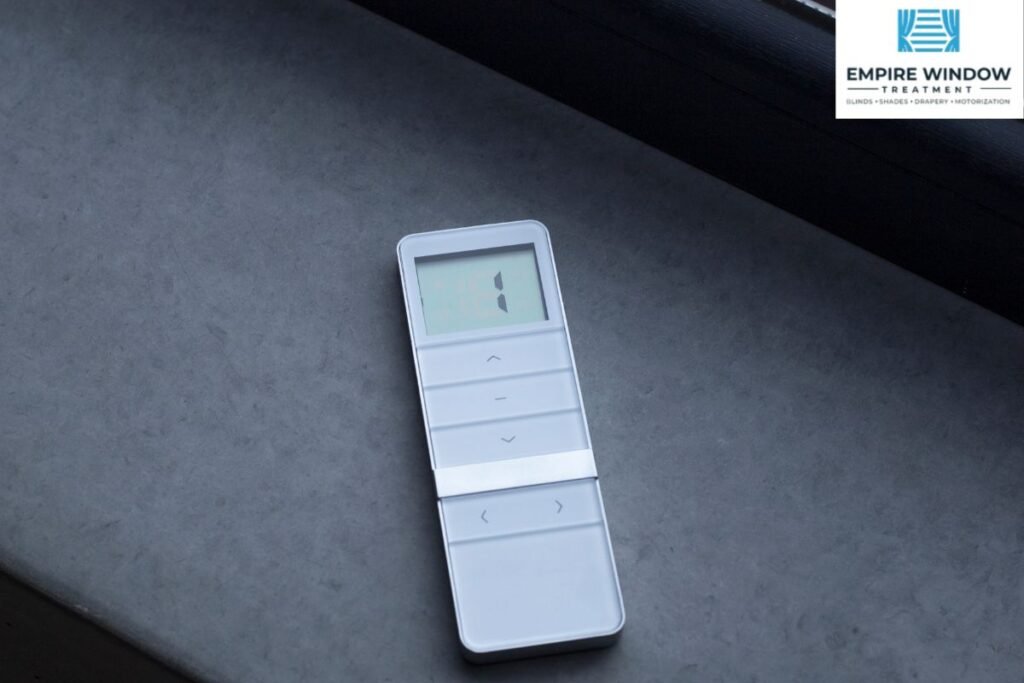
Key Takeaways: Common issues include dead batteries, power failures, remote malfunctions, and signal interference. Dust, physical blockages, and worn parts can cause blinds to jam or move unevenly. Smart blinds may stop working due to app glitches, outdated firmware, or Wi-Fi issues. Resetting the blinds often fixes problems. Regular maintenance like cleaning tracks, replacing batteries, and updating apps prevents most problems. Call a professional for motor failure, wiring issues, or serious mechanical damage. Motorized blinds work using an electric motor that moves the slats or the fabric up and down, or tilts them at the angle you want. The motor is commonly powered by batteries, a plug, or sometimes solar panels. You use a remote control, a wall switch, or sometimes a smartphone or voice command, to send signals to the motor, telling it what to do. Many models work with smart home systems, so you can control multiple blinds at once or set them on a timer to move automatically. Understanding these basics will help you spot the source of most problems more easily. Why Are My Motorized Blinds Not Working? There are several common reasons why motorized blinds might stop working: Dead Batteries If your blinds or the remote use batteries, they could be dead or too weak to work well. Power Source Problems For plug-in or hardwired blinds, a loose outlet or unplugged wire can stop them from working. Remote Control Malfunctions If the remote doesn’t work, it might be because of dead batteries, it needs to be paired again, or there’s something blocking the signal. Signal Interference Electronic devices, thick walls, or even metal window frames can block or weaken signals between your controller and blinds. Software Glitches For smart home-connected blinds, old firmware or app errors can cause glitches, making them not respond to commands. Physical Obstructions Dust, dirt, or small objects in the tracks or around the motor can jam your blinds. Mechanical Wear Over time, parts like gears, chains, or cords may get worn or break, causing issues with movement. The best way to fix blinds is to check the power source, remote, and look for anything that is blocking or jamming the moving parts, as these are the most common and easiest things to fix at home. Step-by-Step Troubleshooting Guide If your motorized blinds are not working as they should, follow this troubleshooting guide to help solve the problem: Blinds won’t move Check battery charge or power plug. Make sure all cables are secure and the remote battery is fresh. Look for objects blocking the path. Try resetting by following the manufacturer’s reset instructions. Remote not working Replace remote batteries. Make sure the remote is paired to the blinds. Remove any obstacles between the remote and blinds. Try resetting the remote and blinds. Blinds move slowly or get stuck Clean the tracks using a soft brush or vacuum off dust and dirt. Check if the battery is low and recharge or replace if needed. Look for and remove any physical blockages. Straighten any misaligned slats or fabric gently by hand. Noisy operation Tighten any loose screws or parts. Clean out dust or debris around the motor and tracks. Apply silicone-based lubricant (very lightly) to moving parts if the noise continues. If noise persists, contact a pro. Connectivity problems (smart blinds) Check your Wi-Fi and make sure you have a strong connection. Update the app and firmware on your phone and the blinds. Restart your smart hub, router, or blinds. Try repairing the blinds to your smart system. How to Reset Your Motorized Blinds Sometimes, a simple reset can fix many issues, like if your blinds stop responding to the remote or app, or after changing the batteries. Turn off the power by unplugging or removing batteries if possible. Wait about 30 seconds to clear any leftover electricity. Find the reset button (often marked or hidden next to the motor or on the remote). Press and hold the reset button for about 5 to 10 seconds until you see the blinds move, make a noise, or hear a click. After the reset, reconnect power or insert the batteries again. Reprogram the blinds by moving them all the way up and down, or setting upper and lower stops as needed. A reset is needed if the blinds are frozen, after you change batteries, after a software update, or if the remote has been replaced or repaired. Preventing Future Problems To keep your motorized blinds running their best for years, build a quick routine into your cleaning schedule: Clean the Tracks and Blinds Use a soft, dry cloth or a vacuum with a brush attachment every week to remove dust and dirt from the blinds and tracks. For fabric blinds, dab spots gently with a damp cloth—avoid using much water, especially near electrical parts. Check and Replace Batteries Blinds that run on batteries need fresh ones every few months, depending on use (high-quality lithium batteries last 4 times longer than regular ones). Update Apps and Firmware Check if your smart blinds app or firmware needs updates, especially if you notice new features or bug fixes in the app store. Look for Obstructions Keep the window sill and tracks clear, and check for any debris or objects that could get in the way. Inspect Mechanisms Listen for odd noises and check that parts are moving smoothly—tighten loose screws as needed and make sure nothing is misaligned. Avoid Overuse Operating your blinds up and down non-stop can strain the motor, so give it short breaks between actions, especially if you use a remote. When to Call a Professional Sometimes, it’s safest to call a professional window treatment technician: If the motor fails repeatedly, even after resetting and changing batteries. If you notice strange burning smells, see sparks, or find melted or damaged parts—unplug immediately to avoid fire or electrical injury. If there are obvious signs of damage, like broken slats, badly frayed cords, or clicking and grinding noises that do not go away with cleaning. If
10 Types of window treatments for bedrooms
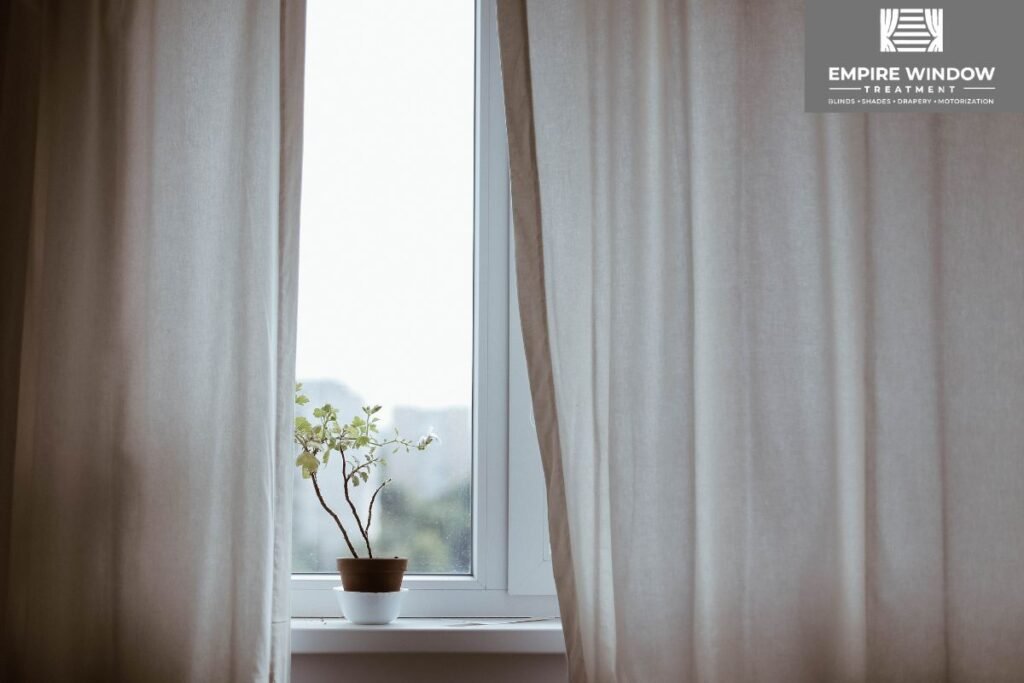
Key Takeaways Choose window treatments based on privacy, light control, and insulation needs. Curtains, drapes, and blinds offer flexible options for light control and privacy. Shutters and cellular shades provide excellent insulation and durability. Mix and match treatments to find the perfect balance of style and function for your bedroom. Your bedroom is where you rest, relax, and recharge. But did you know the right window treatment can make it even better? Window treatments like curtains, shades, and blinds help block bright light, give you privacy, and keep your room cozy. Whether you want a dark room for better sleep or a bright space during the day, the right window covering can help. In this guide, you’ll learn about 10 types of window treatments that can make your bedroom more comfortable, stylish, and just right for you. 1. Curtains Curtains are soft fabric panels that hang from a rod above your window. You can find them in many colors, designs, and sizes to match your room. Some are light and thin, which lets a little sunlight through. Others are thicker and help block more light. Curtains are easy to open during the day to let in sunshine. At night, you can close them for privacy. You can also tie them back if you want your window to look neat while still letting in light. If you want your bedroom to feel warm, cozy, and stylish, curtains are a great choice. They help control the light and make your room feel more relaxing. 2. Drapes Drapes are like curtains, but they’re made with heavier fabric and usually have a lining on the back. This makes them really good at blocking out sunlight and keeping your room warmer. If you like sleeping in total darkness or want to stay cozy in the winter, drapes are a smart choice. They hang from a rod just like curtains, but because they’re thicker, they often look more formal and full. You can pull them closed at night to shut out the light and noise from outside. In the morning, open them up to let in the sunshine. Drapes work well in bedrooms where you need extra privacy and comfort. They also help lower your energy bills by keeping the heat in during cold months. If you want a quiet, dark, and peaceful space to sleep, drapes can help make that happen. 3. Blinds Blinds are window coverings made of flat slats. These slats can be wood, metal, or plastic. You can twist a stick or pull a cord to open or close them, which helps you control how much light comes in. Blinds are easy to adjust. You can tilt the slats to let in some sunlight while keeping your room private. To let in full light, just pull them up. For darkness or privacy, close them all the way. Blinds work well if you like a clean, simple look. They don’t take up much space and are easy to clean. If you want good light control and privacy, blinds are a smart choice for your bedroom. 4. Shades Shades are made from fabric or soft material that covers your window in one smooth piece. Unlike blinds with slats, shades roll or fold up when you want to let in light. They come in lots of styles, so it’s easy to find one that fits your room. Some popular kinds of shades are Roman shades that fold neatly, roller shades that roll up flat, cellular shades that trap air to keep your room warm or cool, and bamboo shades for a natural look. You can choose from light-filtering fabrics that let in soft light, or blackout shades that block nearly all sunlight. Shades are simple to use and great for any bedroom style—whether you want something cozy, modern, or natural. If you’re looking for a clean look with lots of options, shades are a great choice. 5. Shutters Shutters are strong window covers made from wood or other solid materials. They have slats, called louvers, that you can tilt open or closed. This helps you control how much light comes in and how much people can see into your room. Many people love shutters because they look neat and timeless. They’re built to last and don’t wear out easily. Unlike fabric window treatments, shutters are easy to dust and clean, which makes them great if you want something low-maintenance. If your bedroom gets a lot of bright sunlight or if you want extra privacy, shutters are a smart choice. They make your room feel calm and quiet, and they can help keep it warmer in winter or cooler in summer. They’re perfect if you want your bedroom to look stylish but still be very practical. 6. Sheer Drapes Sheer drapes are made from light, see-through fabric that gently covers your windows. They don’t block the sun completely, but they do soften the light, making your bedroom feel warm and peaceful. Even though you can still see a little through them, they give you enough privacy during the day. These drapes are perfect if you love waking up to soft morning light or want your room to feel bigger and brighter. They move slightly when the breeze comes in, which adds a calm, relaxing feeling to your space. Sheer drapes work well on their own or with other window treatments. You can layer them under heavier curtains or pair them with blinds for more light control. If you want your bedroom to feel fresh and airy, sheer drapes are a lovely choice. 7. Blackout Shades Blackout shades are made from thick fabric that blocks out sunlight. When pulled down, they cover your windows and stop nearly all light from coming in. These shades are perfect for bedrooms where you need total darkness, such as for people who work at night or sleep during the day. They’re great for improving sleep quality by keeping your room dark, even if there are streetlights or early morning
Shades vs Curtains: Which One Is Right For Your Home?
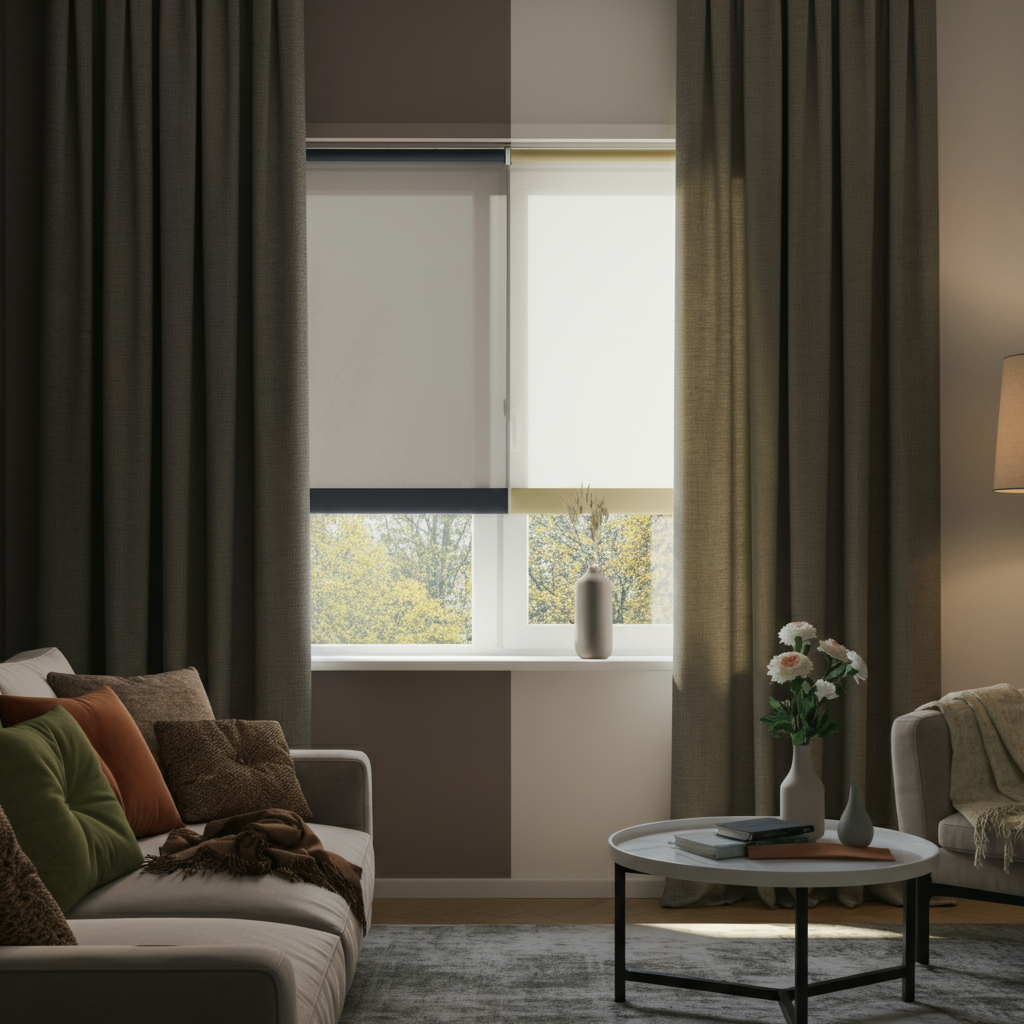
Key Takeaways Shades and curtains both enhance the aesthetic and functionality of your home, but they serve different purposes. Shades are sleek, modern, and ideal for achieving a minimalist look while providing flexible light control and energy efficiency. Curtains offer a classic, timeless appeal with a variety of fabrics, patterns, and layering options, adding texture and warmth to any space. Consider factors like room purpose, style preference, privacy needs, and maintenance before deciding. Both options can be customized to suit your taste, ensuring your home reflects your unique personality and meets practical needs. Choosing the right window coverings can transform your living space, both aesthetically and functionally. When it comes to deciding between shades vs curtains, understanding how each performs in terms of light control, privacy, style, and cost is essential. Whether you’re a design enthusiast, homeowner, or business professional, this guide will help you make an informed decision tailored to your needs. Keep reading as we break down the key features, advantages, and considerations for shades and curtains, including how they suit different rooms and styles. By the end, you’ll have a clear vision of what fits best for your space! Why the Right Window Covering Matters Window treatments do more than filter sunlight. They enhance room aesthetics, protect privacy, regulate indoor temperatures, and even save you money on energy costs. Picking the right option ensures your home or office feels comfortable, stylish, and functional. Now, let’s take a closer look at shades and curtains to find out which is better suited for your needs. What Are Window Shades? Window shades are sleek, streamlined coverings made from a continuous piece of fabric. They can be rolled or folded up for adjustable light and privacy. Types of Shades Roller Shades: Simple, modern, and space-saving, perfect for minimalist designs. Roman Shades: Elegant with their pleated fabric folds, they add a touch of sophistication. Cellular Shades (Honeycomb): The ultimate energy savers, they trap air and insulate your home. Woven Wood Shades: Natural and textured, offering a warm, earthy vibe. How Shades Work Shades operate by rolling up or down (manually or via automation). This allows precise control over light and privacy. Popular Materials for Shades Fabric (light-filtering or blackout) Bamboo or woven wood Synthetic materials for durability Shades are a great choice for modern spaces or anyone looking for a clean, uncluttered look. What Are Curtains? Curtains are fabric panels that hang vertically from a rod, creating a soft and decorative appearance. They’re widely loved for their versatility and ability to add warmth to any room. Types of Curtains Sheer Curtains: Light and airy, they diffuse sunlight beautifully. Blackout Curtains: Block 100% of sunlight, perfect for bedrooms. Patterned Curtains: Ideal for adding character and a splash of personality. Thermal Curtains: Designed for insulation and energy efficiency. How Curtains Work Curtains are drawn open or closed horizontally along a rod. They can be layered for added versatility. Common Curtain Materials Cotton for casual styles Velvet for a luxurious feel Polyester for durability and affordability Curtains exude a cozy charm that can instantly soften the mood of a space. Comparing Shades and Curtains Both shades and curtains have unique benefits. Here’s how they stack up in key areas to help you decide what suits your space. Light Control Shades offer precise light control, especially options like blackout or light-filtering shades. Curtains provide varying light control based on fabric choice, from sheer to total blackout. Privacy Shades offer excellent privacy, particularly in busy areas like bathrooms or offices. Curtains are versatile for privacy, with heavier fabrics ensuring complete coverage. Style and Decor Shades are sleek, minimalist, and perfect for modern or streamlined spaces. Think small apartments or offices with a clean aesthetic. Curtains add warmth, texture, and elegance, making them ideal for cozy bedrooms or grand living rooms. Space & Room Use Shades work best in tight spaces like kitchens and bathrooms thanks to their compact design. Curtains shine in larger spaces like living rooms or bedrooms, bringing character and drama to the décor. Maintenance and Cleaning Shades are easy to wipe clean and require less frequent maintenance. Curtains need regular washing or dry cleaning, especially in high-dust areas. Cost and Budget Shades typically range from $40–$300 depending on material and automation features. Curtains range from $15–$200 per panel, making them more budget-friendly but potentially pricier for luxurious setups. Long-Term Costs: Shades are more durable, but curtains allow for easily changing styles. Installation and Safety Shades are straightforward to install, especially motorized types. They’re also safer for kids and pets with cordless options. Curtains may take more effort to hang, especially with layered panels, but still remain a reliable choice. Layering Shades and Curtains Don’t want to choose between the two? Go for both! Layering curtains over shades combines the functionality of light control with the added warmth and style of curtains. Use shades for privacy during the day and draw the curtains at night for a cozy ambiance. Tips for Layering Pair neutral roller shades with sheer curtains for a contemporary look. Combine blackout shades with decorative curtains for bedroom privacy and style. Coordinate materials and colors for a cohesive appearance. How to Choose the Best Option for Your Home Before picking your window treatment, here’s what to consider: Room Type: Bedrooms need blackout solutions; kitchens benefit from moisture-resistant materials. Window Size: Larger windows might suit flowing curtains, while compact ones call for shades. Budget: Consider both upfront costs and long-term maintenance. Style Preferences: Are you drawn to sleek and modern or soft and traditional? Ease of Cleaning: Factor in the effort required for upkeep. Decision-Making Based on Room Living Room: Layered shades and curtains create the perfect balance of functionality and style. Bedrooms: Opt for blackout curtains or cellular shades for privacy and restful sleep. Conclusion Ultimately, the choice between curtains and shades depends on your individual needs, style, and room use. Mixing and matching the two can offer the best of both worlds, allowing you to enjoy enhanced functionality and aesthetics.
12 Types of Window Treatments To Know
Key Takeaways Variety of Window Treatments: Explore 12 types of window treatments, each designed for specific needs like light control, privacy, and insulation. Functional and Stylish Choices: Whether it’s Roman shades for elegance or cellular shades for energy efficiency, there’s a treatment to fit your home’s style and functionality. Room-Specific Recommendations: Different treatments work better in certain rooms, like pleated shades for small windows and plantation shutters for added curb appeal. Customization and Safety: Many options offer customization in design and material, along with safety features like cordless and motorized systems for added convenience. Window treatments do more than just cover your windows. They help block bright sunlight, give you privacy, and make your home look better. Whether you’re picking something simple or want a stylish design, there’s a window treatment out there for you. In this blog, we’ll look at 12 types of window treatments you should know. You’ll learn what they are, how they work, and which ones are best for your home. Let’s get started! Comparative Overview Table of Window Treatments Here’s a quick comparison to help you choose the best window treatment based on light control, insulation, materials, motorization, and ideal room usage: Treatment Type Light Control Insulation Material Options Motorization Best For Roller Shades High Medium Fabric, vinyl, blends Yes Any room, modern decor Solar Shades High Medium Solar screen fabrics Yes Sunrooms, kitchens, offices Silhouette Sheer Variable Low Sheer fabric, poly-blend Yes Living rooms, patios Cellular Shades High High Polyester, foils Yes Bedrooms, offices Roman Shades Variable Medium Linen, silk, cotton Yes Living rooms, bedrooms Panel Track Blinds High Medium Fabric, woven wood Yes Large windows, sliders Venetian Blinds High Low Wood, metal, plastic Some Kitchens, offices Sheer Curtains Low Low Voile, chiffon, silk No Living, dining rooms Plantation Shutters Medium High Wood, composite, vinyl Yes (new) Any room, curb appeal Bamboo/Woven Wood Medium Low Bamboo, reeds, grasses Yes Sunrooms, nature-inspired Motorized Shades Variable Varies Depends on base style Yes Modern homes, convenience Pleated Shades Medium Medium Polyester, blends Yes All rooms, small windows This table provides a quick look at key features to help you find the perfect window treatment for your needs. 1. Roller Shades Roller shades are simple window covers that roll up and down. They’re great if you want a clean, modern look without too much fuss. You pull them down when you need shade or privacy and roll them up when you want more sunlight. They come in lots of fabric choices, some let light in gently, and others block it out completely. You can find them in bedrooms, living rooms, offices, or anywhere you want a neat, easy-to-use shade. Some roller shades can even be upgraded with cool features like motorized controls or fun patterns and colors to match your style. 2. Solar Shades Solar shades are designed to protect your home from harsh sunlight while still letting you see outside. What makes them special is how they block out harmful UV rays and reduce glare without making the room feel dark. They’re made with special screen-like fabrics that come in different “openness” levels—some let in more light, while others block more sun. These shades are perfect for saving energy too, because they help keep rooms cooler during hot days. If you have large windows, glass doors, or rooms that get a lot of sun (like a living room or sunroom), solar shades are a smart, modern choice. 3. Silhouette Sheer Shades Silhouette sheer shades are a stylish mix of soft fabric and smart design. They’re made with two sheer layers of fabric and soft vanes in between that can tilt open or closed. This setup lets you control how much light comes in while still giving you privacy. When the vanes are open, sunlight gets gently filtered, filling the room with a soft, warm glow instead of harsh glare. These shades are usually made with high-quality sheer textiles that are light but still strong enough to last. They come in different colors and shapes, so you can match them with your home’s style. They work best in living rooms, on patio doors, or in spaces where you want a modern and elegant look without giving up natural light. 4. Cellular (Honeycomb) Shades Cellular (honeycomb) shades are a top choice for homeowners looking to improve energy efficiency and comfort. The unique honeycomb structure traps air in pockets, providing excellent insulation. This helps keep your home cooler in the summer and warmer in the winter, potentially lowering energy costs. The shades also offer sound-dampening benefits, making rooms quieter. These shades come in different layers—single, double, or triple honeycomb cells—for varying levels of insulation. They’re made from durable fabrics like polyester, which are easy to maintain and resist fading. Available in light-filtering and blackout options, cellular shades allow you to control the amount of light while ensuring privacy. For added convenience, many cellular shades come with motorized options, allowing you to adjust them remotely or via smartphone. They are a great choice for bedrooms, home offices, or any room where insulation, privacy, and modern functionality are key priorities. 5. Roman Shades Roman shades are a stylish and elegant window treatment that feature a unique fold mechanism, creating soft pleats when raised. This design gives your windows a clean, classic look. There are several styles of Roman shades to suit different preferences, including flat (smooth), classic (with pleats), hobbled (soft folds), and relaxed (casual design). Each style offers a distinct look to complement your room’s décor. These shades come in a wide range of fabrics, such as linen, cotton, and silk, with various colors and textures to match your home’s style. Whether you want a bold statement or a subtle touch, there’s a fabric to suit your taste. Roman shades offer excellent light control and privacy. You can add liners for extra privacy and choose blackout options to block out light completely—perfect for bedrooms or home theaters. Additionally, Roman shades are highly customizable and can be paired
